This website is powered by HOYA

Understanding Childhood Myopia

Discover what myopia means for your child, what may influence its development, and how regular eye care can support their visual future.

My child may have myopia, should I be worried?

Your child is not alone. By 2050, nearly half the world’s population may have myopia.1 It is one of the most common vision conditions in children and can be managed with the right care and support.

What is childhood myopia?

Myopia, also known as short-sightedness, is a common eye condition that causes distant objects to appear blurry while nearby objects remain clear.2


Myopia often develops during childhood and may continue to progress as children grow, often needing stronger prescriptions over time. Higher levels of myopia can increase the risk of eye health complications later in life.3

What is childhood myopia?

Why is myopia becoming more common in children?

Childhood myopia is one of the fastest-growing vision health challenges worldwide.4 Experts believe this rise is linked to a combination of genetic and environmental factors, including less time spent outdoors and increased time spent on near-work activities such as reading, studying, and using digital devices.5


While every child is different, understanding these factors can help parents support healthy visual habits from an early age. 


Why is myopia becoming more common in children?

What happens if childhood myopia progresses?

Myopia is often seen as simply needing higher prescription spectacles, but it is more than a vision correction issue.


This is why many Eye Care Professionals now focus on managing myopia progression as well as correcting vision. The goal is not only to help children see clearly today, but also to support their long-term eye health and visual future.

What happens if childhood myopia progresses?

Could my child have myopia?

Myopia often develops gradually, making it easy to miss the early signs. You may notice small changes in your child's everyday behaviour, such as:

  • Squinting

    Your child may squint when looking at distant objects to try to see more clearly.

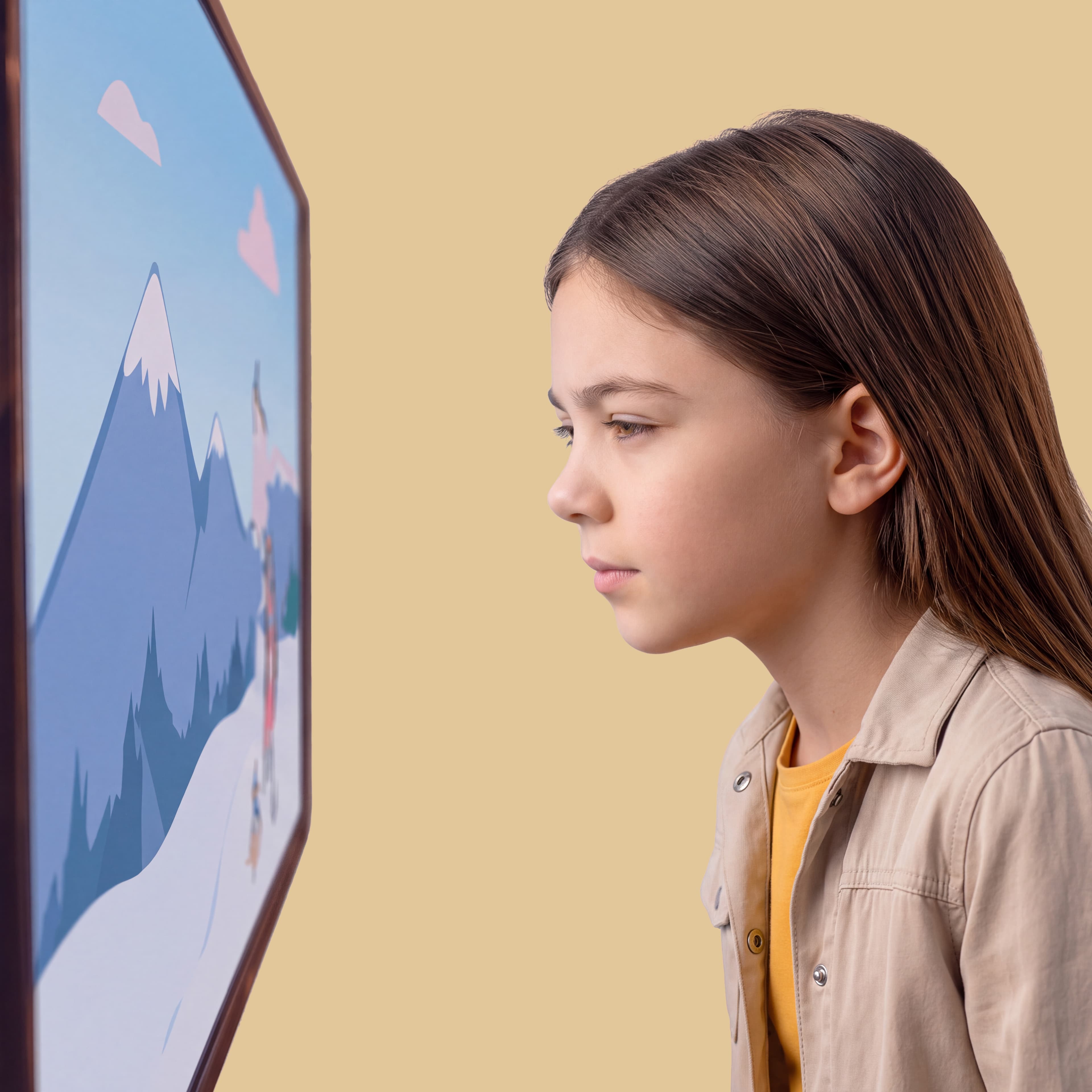
  • Sitting very close to the TV

    If your child is sitting very close to the television may be a sign that objects at a distance appear blurry.

  • Difficulty seeing the board

    Your child may struggle to see writing on the classroom board clearly.

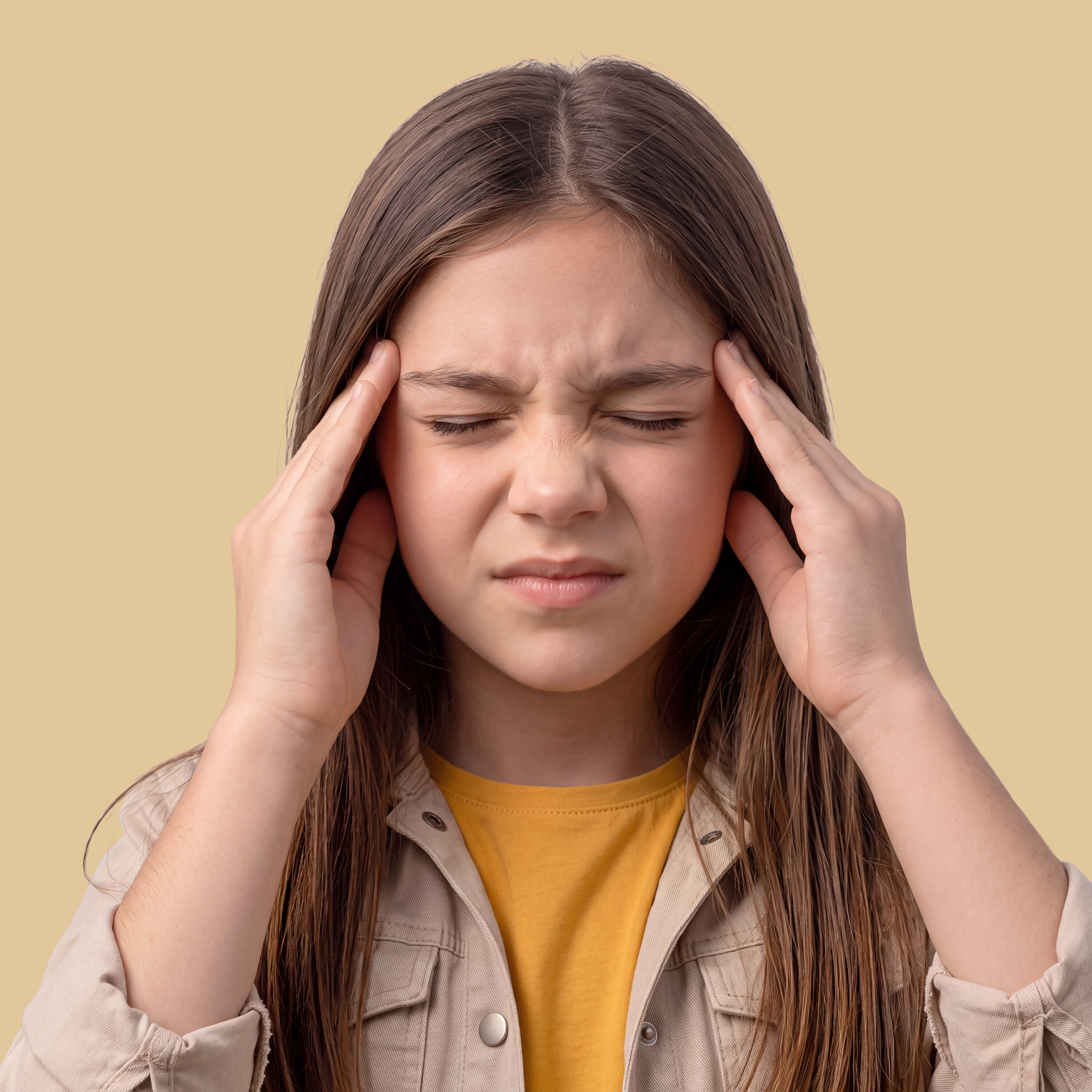
  • Headaches

    Recurring headaches, especially after visually demanding activities, may be a sign of vision difficulties

What increases the risk⁵ of myopia?

Several factors may increase a child's likelihood of developing myopia:

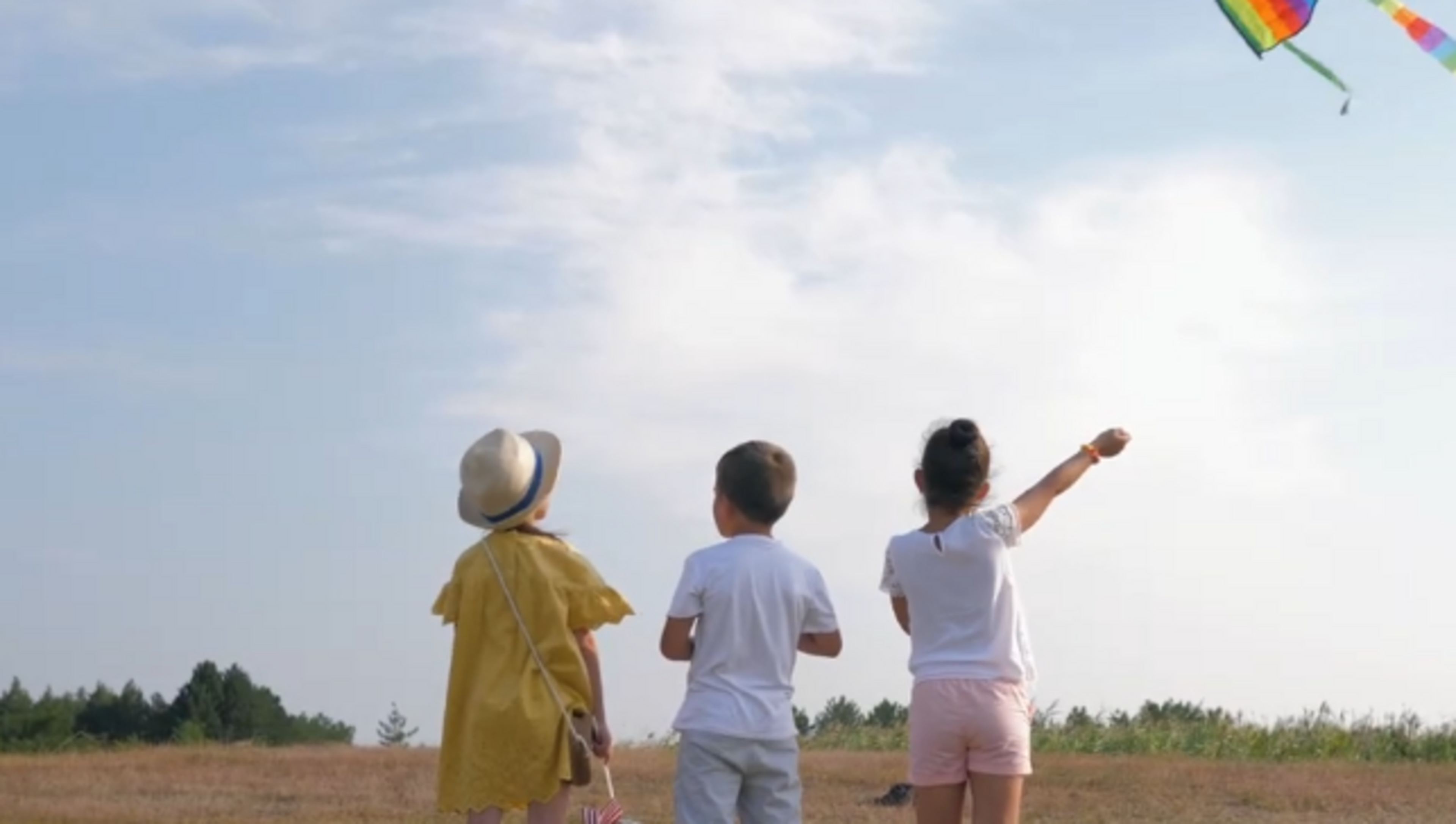
Spending Less Time Outdoors

Limited outdoor play may increase risk.

Family History

Children with myopic parents may be more likely to develop it.

Close-Up Activities

Long periods of reading or screen use may increase risk.

Early detection and timely action can make a difference.

Myopia can affect your child’s vision at school and in everyday life. Without management, it may worsen during childhood, with higher levels associated with an increased risk of serious eye conditions later in life.³

Manage myopia progression

The good news? Myopia progression can be controlled, not only corrected.

While most spectacle lenses correct vision, they do not help manage myopia progression over time. That is why HOYA developed the evidence-based7 MiYOSMART* in 2018 and later introduced MiYOSMART iQ*, its next-generation spectacle lens solution, combining clear vision with myopia control.   

Chosen by over 4 million parents⁶

MiYOSMART* spectacle lenses have already been chosen by parents around the world.

D.I.M.S. Technology

D.I.M.S. Technology

Backed by 150+ scientific publications⁷

Introducing MiYOSMART iQ*

HOYA’s most advanced myopia control solution, designed to address the varying needs of children in controlling their myopia progression.

Discover MiYOSMART iQ

Care goes beyond the spectacle lens

Managing childhood myopia combines healthy habits, regular eye examinations, and evidence-based care. Myopia control spectacle lenses work best as part of this broader approach, where small everyday habits can make a difference.

  • Evidence-Based Myopia Control Solution

    Eye Care Professionals may recommend MiYOSMART iQ, HOYA’s most advanced spectacle lens for myopia control, combining years of research and innovation to help manage myopia proactively.

  • Healthy Lifestyle Habits

    Spending time outdoors, taking regular breaks during near-work activities, and maintaining healthy screen habits can help support children's eye health.

  • Regular Eye Examinations

    A comprehensive eye examination conducted by an Eye Care Professional is the right way to detect myopia. Regular check-ups help identify changes early and ensure your child receives the right support

  • Give eyes a break

    Reduce your child’s eye strain by reminding them to take regular breaks from screen time and short-sighted activities. Encourage the 20-20-20 rule – every 20 minutes look at an object at least 20 feet away for at least 20 seconds.⁸

Find an Eye Care Professional near you

Talk to our MiYOSMART expert and take the first step towards protecting your child’s vision.

*Disclaimer: MiYOSMART iQ and MiYOSMART have not been approved for myopia management in all countries, including the U.S., and are not currently available for sale in all countries, including the U.S.

MiYOSMART iQ and MiYOSMART spectacle lenses may not be able to address individuals’ conditions due to natural deficiencies, illness, pre-existing medical conditions and/or advanced age of consumers. The information contained herein is for general information and is not intended to constitute medical advice. Please consult your Eye Care Professional for more information prior to the use of MiYOSMART iQ and MiYOSMART spectacle lenses.

References

  1. Holden B.A., Fricke T.R., Wilson D.A., et al. Global Prevalence of Myopia and High Myopia and Temporal Trends from 2000 through 2050. American Academy of Ophthalmology. 05/2016, vol.123, no. 5, p.1036–1042. (Last accessed: 11.09.2026).
  2. Turbert D. Nearsightedness: What Is Myopia? American Academy of Ophthalmology. 2022. Available from: https://www.aao.org/eye-health/diseases/myopia-nearsightedness (Last accessed: 11.09.2026).
  3. Haarman AEG, Enthoven CA, Tideman JWL, et al. The Complications of Myopia: A Review and Meta- Analysis. Invest Ophthalmol Vis Sci. 2020;61(4):49. DOI: 10.1167/iovs.61.4.49. (Last accessed: 11.09.2026).
  4. Holden BA, Fricke TR, Wilson DA et al. Global Prevalence of Myopia and High Myopia and Temporal Trends from 2000 through 2050. American Academy of Ophthalmology. 2016;123(5):1036-1042. (Last accessed: 11.09.2026).
  5. Morgan, I. G., Wu, P. C., Ostrin, L. A., et al. (2021). IMI Risk Factors for Myopia. Investigative Ophthalmology & Visual Science, 62(5), 3. (Last accessed: 11.09.2026).
  6. HOYA data on file. MiYOSMART spectacle lens commercial data. 04/2026.
  7. Based on the number of publications in peer-reviewed journals as of July 2026. https://www.hoyavision.com/vision-products/myopia-management/evidences/. 04/2026.
  8. Boyd K. Computers, Digital Devices and Eye Strain. American Academy of Ophthalmology. 2020. Available at: https://www.aao.org/eye-health/tips-prevention/computer-usage (Last accessed: 11.09.2026).